Whether you’re building your first station or looking to upgrade an existing site, having a complete gas station equipment list is vital to running a profitable business.
From fuel dispensing unit to POS systems, every piece of equipment plays a role in smooth gas station operations—and with so many options and price points, it can be tough to know where to start.
That’s why we’ve created this complete gas station equipment list with prices to help you make smarter investments and avoid unnecessary costs.
In this guide, we’ll cover:
- All essential gas station equipment you need
- Cost breakdowns for budgeting your gas station operations
- Key factors to consider before purchasing
Click and get the complete gas station equipment list and price below!

Gas Station Equipment List & Price
There Are Must Have Equipment for Starting a Gas Station
Part 1: Fuel Storage Systems
1. Underground Storage Tanks
Any comprehensive gas station equipment list would be incomplete without underground storage tanks. These fuel storage tanks are the backbone of every gas station, built to safely store large volumes of fuel—such as gasoline and diesel—below ground. By keeping fuel secure and readily available, they ensure a steady supply for dispensers while saving valuable above-ground space and reducing environmental exposure.
Their importance cannot be overstated. A quality underground fuel storage tank not only guarantees reliable fuel storage but also protects your fueling business from the devastating consequences of leaks or failures—ranging from environmental contamination and heavy regulatory fines to costly cleanups and permanent damage to your reputation.
Price Range: $1,000 – $30,000+ per tank (Note: This is for the fuel tank itself. Full system installation costs are higher.)
Key Purchasing Considerations:
Swipe table →
| Feature | Details |
|---|---|
| Capacity | Tanks typically range from 10,000 to 40,000 gallons. Your fuel volume needs will determine the required capacity and number of tanks. A higher capacity increases the tank’s price. |
| Single vs. Double Wall |
Double-Wall Tanks: Are the modern standard. They feature a primary inner tank and a secondary outer wall containing any potential leak from the inner tank, providing critical environmental protection. They are mandatory in most regions for new installations. Single-Wall Tanks: Are largely obsolete for new installations due to higher leak risk. They may only be considered for replacing old units in specific situations, but double-wall is strongly recommended. |
| Material |
Fiberglass-Reinforced Plastic: Highly resistant to corrosion from fuel and soil, making it a prevalent and durable choice for modern USTs. Steel: Steel tanks require a corrosion-proof coating and a cathodic protection system to prevent rust. They are robust but may have different long-term maintenance considerations compared to FRP. |
| ATG Compatibility | Many modern tanks come with ports and fittings designed for automatic tank gauging (ATG) systems, which are essential for inventory management and leak detection. Ensure compatibility. |
2. Above-Ground Storage Tanks
While many gas stations utilize underground tanks, above-ground storage tanks are the go-to solution for numerous applications outside city limits. They are the workhorses for locations where a permanent, subterranean fuel infrastructure is impractical or too costly, as they provide a practical, lower-cost solution for quickly establishing a fuel point without a major excavation project.
Like underground tanks, these fuel storage tanks require pumps and dispensers to operate, but the fuel dispensing equipment used here is often more flexible and cost-effective. Here’s what you need to know:
- Portable fuel dispenser: These are a popular choice due to their surprisingly low cost. This type of fuel dispenser unit packs almost all essential fuel dispenser parts into one small metal box: a pump, meter, hose with reel, and nozzle. Some higher-end models can even dispense two types of fuel.
- Small fuel dispenser: Retail fuel dispensers are another option, but most operators choose a small fuel dispenser instead because of their prices. These small fuel dispenser offers nearly the same functionality as those in forecourts, including digital displays, payment systems, and safety features, all in a more space-saving and economical package.

3. Automatic Tank Gauges
When it comes to operating a modern gas station, automatic tank gauging (ATG) systems are absolutely critical. They continuously monitor fuel levels, temperature, and water content inside storage tanks, while providing real-time leak detection to ensure compliance with environmental regulations. In short, an ATG protects your fuel supply, safeguards the environment, and helps you avoid costly downtime or fines.
What they do:
- Track fuel inventory with precise accuracy
- Detect leaks early to prevent contamination
- Monitor tank conditions like fuel levels, capacity, temperature, and water ingress
- Generate compliance and reconciliation reports
Most Popular ATG Models in the Market:
Swipe table →
 |

|

|
|---|---|---|
| Veeder-Root TLS 450 PLUS | EVO™ Series | STATION™ ATG System |
| Widely used across global fuel stations for its reliability, scalability, and detailed reporting functions. | Known for its user-friendly interface and advanced monitoring capabilities, including remote access and multi-tank compatibility. | An affordable yet reliable fuel tank monitoring solution that gives you accurate real-time data on fuel levels, capacity, and temperature, while still integrating smoothly with other petroleum equipment and station management systems. |
Part 2: Fuel Dispensing Equipment
1. Fuel Dispensers
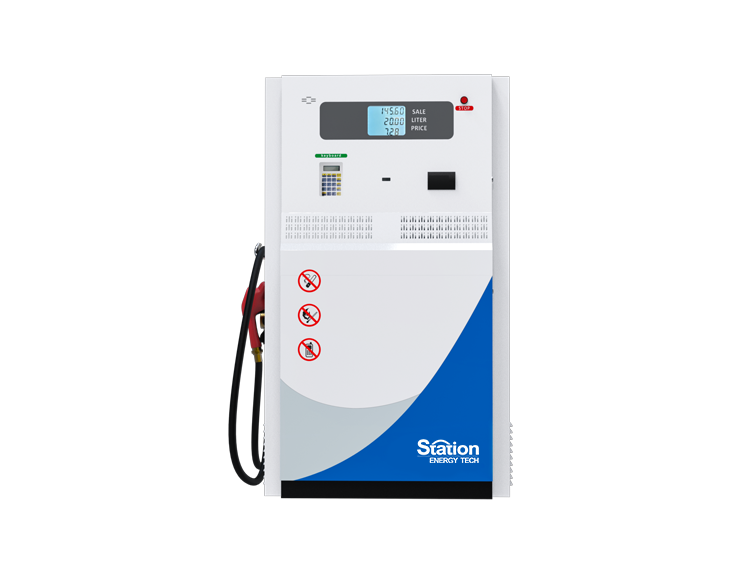
The fuel dispenser is the central nervous system and public face of your gas station, and a critical item on any gas station equipment list. It’s the primary point of interaction where transactions occur and customer impressions are formed. Selecting the right dispenser is not just about fueling vehicles; it’s about optimizing efficiency, enhancing the customer experience, and driving profitability. There are several types of fuel dispensers designed for specific operational needs:
Swipe table →
| Model Type | Key Features | Ideal For | Price Range |
|---|---|---|---|
 Standard |
• Simple, intuitive user interface for ease of use • Single or dual hose configurations • Essential payment processing (e.g., magnetic stripe) • Reliable performance for core fueling tasks |
New station owners, low-volume locations, or sites prioritizing a straightforward, cost-effective solution. | $2,000 – $3,500 |
 High-Flow |
• Engineered for rapid refueling (up to 300L/min) • Ruggedized construction to withstand demanding outdoor conditions • Often configured for diesel or commercial fueling • Built with heavy-duty components for durability |
Stations servicing fleet vehicles, trucks, and other commercial equipment that requires fast, reliable fueling. | $2,500 – $4,000 |
 Multimedia |
• Vibrant, large-scale color touchscreen display • Advanced multimedia platform for video advertising and branding • Supports a wide array of payment options (NFC/Contactless, EMV) • Designed for customer engagement and upselling opportunities |
High-volume and branded fuel stations focused on maximizing customer experience and generating additional advertising revenue. | $3,000 – $6,000 |
 Retail |
• Multiple hose options to serve more vehicles • Supports numerous fuel types from a single unit • Integrated IoT systems for real-time remote monitoring and management • Connects to intelligent backend software for full-station control and data analytics |
Busy retail stations and convenience stores that require centralized, data-driven management of all fueling operations and inventory. | $3,000 – $5,500 |
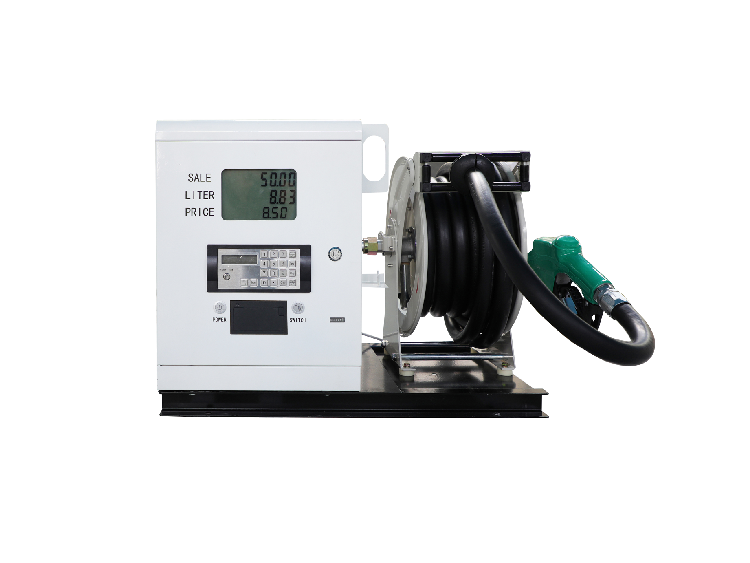 Mobile |
• Compact, highly portable solution for any tank truck • Single-hose design with high metering accuracy • Provides a complete, on-demand fueling capability • Focus on simplicity and operational flexibility |
Businesses requiring on-site fueling for fleets, construction sites, agricultural operations, or emergency services. | $600 – $700 |
Expert Buying Tips:
While your budget will ultimately guide your purchasing decision, we strongly advise looking beyond the initial price tag. The equipment you choose has a direct, daily impact on your station’s efficiency, customer satisfaction, and long-term revenue.
- Invest in Value, Not Just Cost: Allocating more of your budget towards upgraded features is a strategic investment. Modern payment options improve transaction security and speed, while multimedia capabilities open new revenue streams through advertising, directly boosting your profitability.
- Prioritize Direct Manufacturer Relationships: Whenever possible, purchase directly from an established fuel dispenser manufacturer. This ensures access to superior technical support, reliable warranty service, and genuine replacement parts, safeguarding your operation against costly downtime.
- Verify Integration Capabilities Before Upgrading: For those modernizing an existing site, seamless integration with current POS and backend systems is non-negotiable. The STATION™ fuel dispensers are built for compatibility, supporting a wide range of industry-standard communication protocols. We go a step further by offering comprehensive on-site integration and commissioning services to ensure every pump performs flawlessly within your unique station ecosystem.
What Drives the Cost? Key Price Factors:
- Hoses & Configuration: Units designed with multiple hoses or sides to serve more vehicles simultaneously command a higher price due to increased mechanical and electronic complexity.
- Payment Systems: Integrated, compliant EMV chip readers and modern contactless (NFC/Tap-to-Pay) systems have become a customer expectation. These secure, advanced payment modules add cost but are essential for modern operations.
- Display & Multimedia Capabilities: A basic LED display keeps costs down, whereas a large, full-color LCD screen capable of playing video ads and branding content represents a significant upgrade and a corresponding increase in price.
- Add-on Modules & Features: Options like high-flow meters, vapor recovery systems, superior receipt printers, and advanced IoT connectivity for remote diagnostics and management will all affect the final price.
2. Submersible Pumps
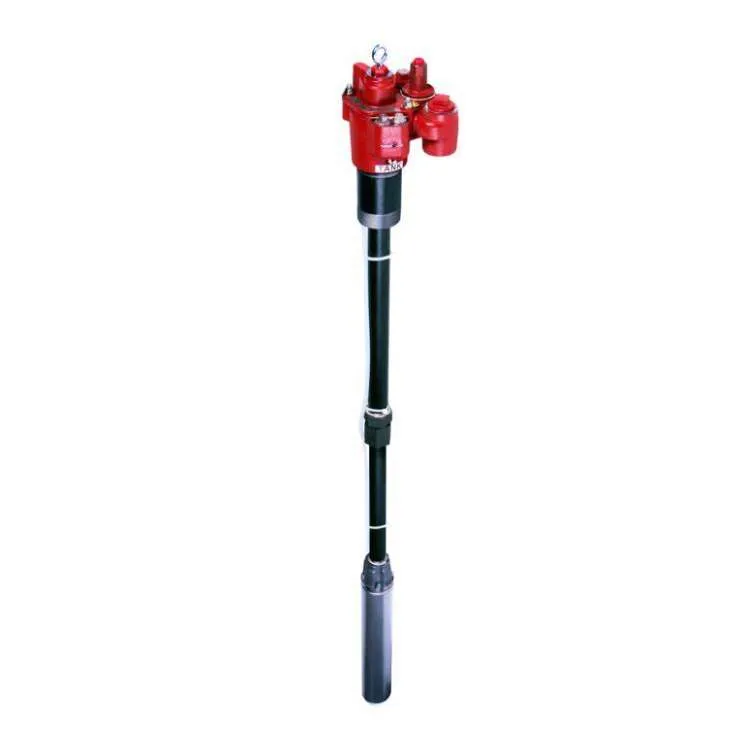
Think of the submersible pump as the heart of your gas station’s fueling system. Installed directly inside your underground storage tank, its sole job is to reliably pump fuel on-demand to your dispensers above ground. Without a functioning pump, your entire operation comes to a grinding halt. It is not an accessory; it is mandatory equipment for any retail fueling facility. Its reliability directly impacts customer satisfaction, sales volume, and your bottom line.
Price Range: $1,000 — $3,000+ per unit
Industry Standard & Our Recommendation:
For decades, the name Red Jacket has been synonymous with reliability in submersible pumps. It is arguably the most common and trusted pump brand found in North American gas stations, a testament to its proven performance and durability.
While other brands exist, choosing Red Jacket means you are investing in:
- Industry-Leading Reliability: Engineered to withstand continuous use and harsh conditions.
- Extensive Service Network: A vast network of certified technicians means faster service and genuine parts availability across the country.
- Long-Term Value: Their pumps are designed to minimize downtime, which is the single largest cost associated with any pump failure.
Part 3: Payment & POS Systems
1. POS Systems
Studies show that over 60% of a gas station’s net profit now comes from convenience store sales, foodservice, and other on-site services, not just from fuel margins. That’s why having the right POS system is no longer optional—it’s the backbone of a profitable gas station operation.
A modern POS system goes far beyond payment processing. It streamlines transactions, keeps lines moving, and ensures both the fuel dispensers and the c-store operate in sync. This makes it easier for operators to capture every possible dollar from cross-sales and value-added services.
That’s where our STATION™ Smart POS System comes in. Purpose-built for gas stations, it supports fast and secure payment processing—whether customers pay with credit/debit cards, mobile wallets, or contactless methods. Even better, it allows fuel purchases and convenience store items to be combined into one seamless transaction, improving the customer experience while increasing efficiency.
Beyond payments, STATION™ offers advanced business management tools that give operators complete control over their site:
- Inventory Management – Track stock levels in real time to avoid shortages and reduce waste.
- Sales Tracking – Monitor performance across fuel and non-fuel sales.
- Detailed Sales Reports – Gain actionable insights to optimize pricing and promotions.
- Employee Scheduling – Simplify staff management and improve labor efficiency.
Part 4: Safety & Environmental Protection
1. Vapor Recovery Systems
Vapor recovery systems are essential for reducing harmful emissions and maintaining environmental safety at gas stations. They capture gasoline vapors that would otherwise escape into the atmosphere during fuel delivery and vehicle refueling.

Vapor Recovery Unit
- Stage I Vapor Recovery:
Stage I Vapor Recovery is for capturing gas vapors that are displaced from underground storage tanks when they are being filled by a delivery tanker truck. During this process, the system redirects these fuel vapors back into the delivery truck instead of allowing them to escape into the atmosphere. This type of vapor recovery takes place behind the scenes and is part of the fuel delivery operation.
- Stage II Vapor Recovery:
This process occurs during vehicle refueling at the gas dispenser. When gas is pumped into a vehicle’s tank, vapors inside the vehicle’s fuel tank are forced out. The Stage II system uses a vacuum-assisted nozzle and special hose to capture these vapors and return them to the station’s storage tanks. This process prevents gasoline fumes from being released into the air while customers are filling their vehicles.
2. Emergency Shut-Off Systems
Even with vapor recovery and emergency shut-off systems in place, no fueling site is complete without a robust fire suppression system. These systems are designed to detect and extinguish fires in seconds, protecting lives, property, and business continuity.
Options range from automatic foam dispensers that deploy instantly when a fire is detected, to advanced dry chemical systems designed for high-risk fueling environments. Many modern portable fueling stations also integrate suppression systems with alarms and emergency shut-off features for complete protection.
Price Range: $1,000 – $7,000 depending on coverage area and types.
3. Fire Suppression Equipment
Gasoline and diesel are highly flammable, and accidents can escalate quickly if not managed. Leaks, static sparks, engine fires, or even customers smoking near the fueling area can lead to catastrophic outcomes. In these scenarios, being able to cut power and fuel flow instantly is critical.
Most modern fuel dispensers now include emergency shut-off buttons as standard—typically large, red, and placed in a visible location. However, premium breakaway valves and enhanced shut-off upgrades are often sold as add-ons. While they may cost extra, they are absolutely worth the investment for the additional layer of safety.
Price Range: Free– $100 depending on system type and brand.
Part 5: Site Infrastructure & Customer Experience
1. Canopy & Lighting
A strong canopy is more than just a roof. It protects your customers and your equipment from rain, sun, and snow. But it’s the lighting underneath that truly makes a difference. Bright, energy-efficient LED lights make the entire fueling area feel safe and welcoming, especially at night. Good lighting deters theft and helps prevent accidents, all while making your station look clean and professional.
While it’s a significant investment (typically between $35,000 and $80,000), a well-lit canopy is a non-negotiable for a modern gas station.
2. Signage & Price Displays
You can’t attract customers if they can’t see you. Clear, bold signage with your brand logo helps drivers spot your station from down the road. But the real star is the digital price display. These signs allow you to change prices instantly in response to the market, keeping you competitive. They can also flash promotions for your convenience store, turning a simple fuel stop into a bigger sale.
3. Air & Water Stations
This is one of the easiest ways to add value for your customers. Offering free or paid air for tires and water for cleaning windshields is a huge convenience that builds loyalty. It encourages drivers to choose your station over another and keeps them on your property a few minutes longer, increasing the chance they’ll come inside your store. Setting up a unit is relatively affordable, with costs ranging from $1,500 to $5,000.
4. Convenience Store Equipment
If you have a convenience store, its equipment is key to your profits.
- Refrigeration Units: Glass-door coolers are essential for showcasing cold drinks, snacks, and perishable goods. Their visibility drives impulse buys, especially on hot days. Plan for $2,000 to $10,000 per unit.
- Shelving & Display Units: Organized, adjustable shelving makes your store look neat and makes products easy to find. Smart displays can highlight high-margin items and promotions. Budget between $5,000 and $20,000 to outfit your store properly.
- Coffee Machines & Food Warmers: Fresh coffee and hot food are massive profit drivers. A good coffee program can make you a morning destination for commuters. The aroma alone is a powerful marketing tool that boosts in-store traffic and significantly increases your average sale per customer.


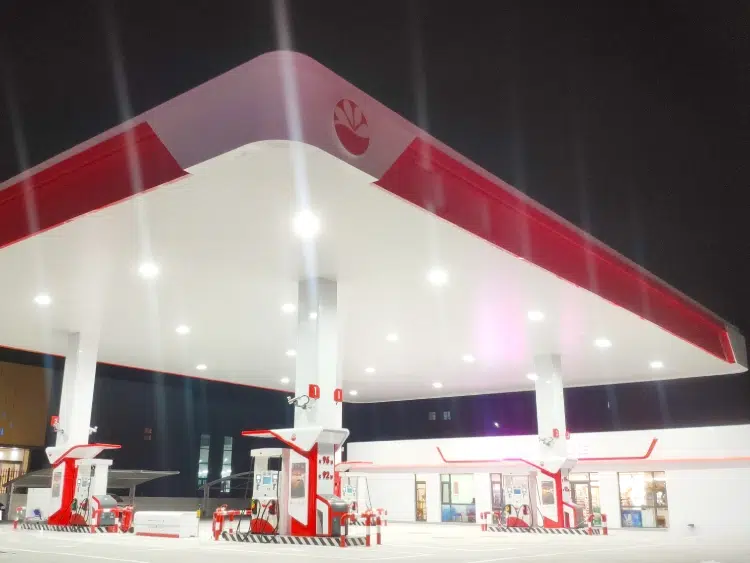
Gas Station We Built
Part 6: Advanced & EV Equipment
1. EV Charging Stations
Electric vehicles are the future, and that future is now. Installing EV chargers, whether Level 2 or fast DC charging, attracts a growing and loyal customer base. While they’re waiting for their car to charge, they’re very likely to visit your convenience store, leading to higher sales. Becoming a charging hub positions your station as a modern, forward-thinking business.
2. Car Wash Systems
An automated car wash is a fantastic source of additional revenue. It turns a routine fuel stop into a full-service visit. Customers appreciate the convenience of being able to fuel up and get their car cleaned in one location. With various wash packages, you can cater to different price points and significantly boost your station’s overall profitability.
3. Vehicle Identification Systems
For stations that serve commercial fleets, this technology is a game-changer. Using RFID tags or license plate recognition, drivers can fuel up quickly and securely without needing a card or cash. The system automatically bills the correct company account. It streamlines the process, reduces fraud, and builds strong relationships with fleet managers.
Part 8: Maintenance & Support Tools
1. Fuel Management Software
This is the brain of your operation. Good fuel management software gives you a live look at your entire business from anywhere. It tracks inventory levels in your tanks, monitors sales data in real-time, alerts you to potential discrepancies, and even helps schedule equipment maintenance. This data is power—it helps you stop theft, manage deliveries efficiently, and make smart decisions to increase profits.
2. Security Systems
Protecting your assets is critical. A comprehensive security system with high-resolution cameras, motion sensors, and alarm monitors your fueling bays, store, and perimeter. Visible cameras deter crime, and recorded footage can help resolve disputes or investigate incidents. Modern systems allow you to check in on your station remotely from your phone, giving you peace of mind 24/7. A solid system can be installed for $1,000 to $10,000, depending on your needs.
3. Drainage Systems
Often overlooked but vitally important, proper drainage prevents water from pooling around your pumps and walkways. This eliminates a major slipping hazard for customers and helps protect your pavement from water damage and ice in colder climates. Installing trench drains is a one-time cost that pays for itself by preventing accidents and costly repairs down the road.
Affordable Gas Station Solutions
Build & Start Your Gas Station Business within $30k
Starting a gas station—or even purchasing a franchise—often requires a staggering investment. In most markets, the cost ranges from $300,000 to over $1,000,000, not including ongoing operational expenses. For small businesses or first-time entrepreneurs with limited budgets, this kind of investment can feel like a massive financial risk.
At Station Energy Tech, we believe fueling should be more accessible. That’s why we offer an affordable gas station solution that allows you to start your refueling business with less than $30,000—the 40ft Container Gas Station.
This portable fueling station is a fully self-contained gas station in a box. Housed in a 40ft container, it comes with almost everything you need to run a gas station operation, from the fuel storage tank and ATG to fuel dispenser units and safety features. Unlike traditional setups that require underground storage tanks, costly site construction, and lengthy permits, the container station is designed for quick deployment and cost savings.
Key Features
- 50,000L Diesel Tank: Securely stores a large fuel reserve to keep your operation running.
- Dual Diesel Dispensers: One standard flow (5–50L/min) for equipment and one high-flow (5–80L/min) for fleets, ensuring efficiency across customer needs.
- STATION™ Automatic Tank Gauging System: Real-time monitoring of fuel levels, temperature, and capacity for smarter fuel management.
- Safety Built-In: Includes fire suppression systems, emergency shut-off valves, vapor recovery, and explosion-proof electrical fixtures.
- Lockable Container Design: Protects both equipment and fuel from theft, weather, and environmental hazards.

Running a Gas Station Can Be Easy with Us!
We’re a Top Gas Station Equipment Supplier Trusted by Hundreds of Gas Stations Nationwide
At Station Energy Tech, we make running a gas station simpler, faster, and more profitable. As one of the leading gas station equipment suppliers and a trusted fuel dispenser manufacturer, we provide everything you need to build and operate a successful fueling site—whether you’re starting from scratch or upgrading an existing station. From retail dispensers to advanced petroleum equipment and parts, we cover it all. If you’re unsure where to begin, our comprehensive gas station equipment list and solutions make it easy to identify exactly what your site requires. You can also go to our shop for all gas station equipment and parts we offer.
Our reach is truly global. With operations in China and Kenya, we directly supply customers across 25+ countries, helping fuel stations, fleets, and operators maximize efficiency. Hundreds of gas stations already count on us for complete, end-to-end fueling solutions.

Here’s why they chose Station Energy Tech:
- Complete fueling solutions delivered on budget
- Factory-direct prices with no middlemen
- A wide range of unique new models and gas station parts
- Unmatched customization and upgrade options
- Local operations abroad to serve markets quickly
- Fast response times and 24/7 technical support
When you partner with us, you’re not just buying gas station equipment—you’re gaining a long-term partner committed to driving the success and profitability of your gas station operation.


