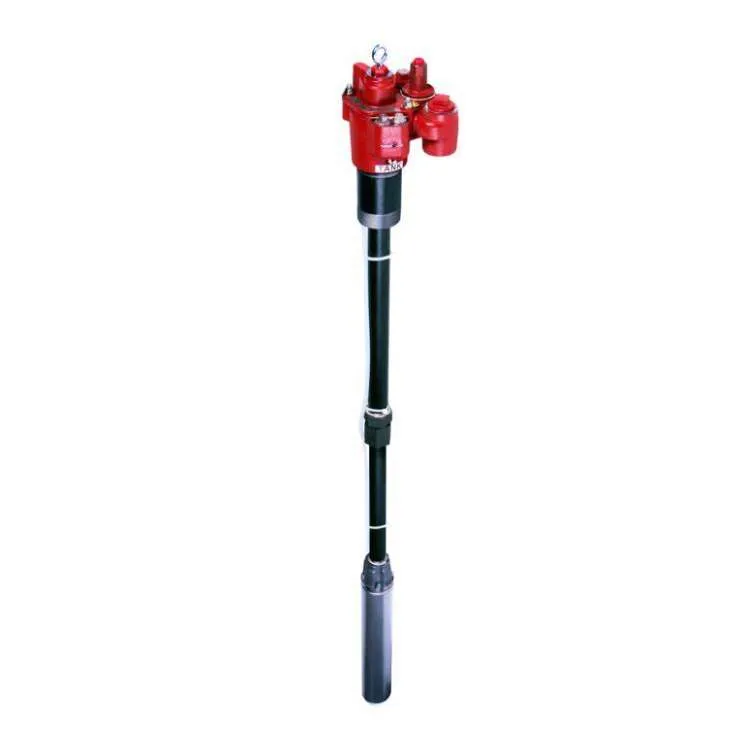
Fuel submersible pumps are essential components in the petroleum industry, responsible for moving gasoline, diesel, biodiesel, and other fuels safely and efficiently.
Understanding how these pumps work and how to choose the right one is critical for fuel stations, refineries, and industrial sites.
This ultimate guide is designed to be your comprehensive resource. We will demystify the fuel submersible pump, providing you with the expert knowledge needed to make an informed purchasing decision.
- What a fuel submersible pump is and how it works
- Key differences from standard submersible pumps
- Top applications in the oil and fuel industry
- Advantages and operational benefits
- Buyer’s guide and common mistakes to avoid
- Leading brands to consider
What is a Fuel Submersible Pump?
Understand How It Works & Why It Matters in Petroleum Operations
A submersible pump is a versatile pumping device engineered to operate while fully submerged in the fluid it is intended to move. This design eliminates the need for suction priming and significantly reduces energy consumption, making these pumps highly efficient for applications ranging from groundwater extraction and sewage handling to industrial drainage. By being surrounded by the fluid they are pumping, they utilize the ambient pressure to push liquids effectively, rather than having to pull them against gravity.
However, when the application involves handling flammable liquids like gasoline, diesel, or aviation fuel, a specialized version is required: the fuel submersible pump. This pump is a category of submersible pump engineered specifically for the petroleum industry. It is built to be installed directly inside underground storage tanks at facilities such as gas stations, airports, and industrial fuel depots, where its primary role is to safely and efficiently transfer fuel from storage to dispensers or transfer points.
The key distinctions between a standard submersible pump and a dedicated fuel submersible pump lie in the critical adaptations made for safety and durability in hazardous environments. The table below summarizes these essential differences:
Swipe table →
| Feature | Standard Submersible Pump | Fuel Submersible Pump |
|---|---|---|
| Primary Application | Water, wastewater, slurry | Gasoline, diesel, biofuels, aviation fuel |
| Operating Environment | Generally non-hazardous | Explosive atmospheres (fuel vapors) |
| Safety Certification | Typically none for explosion risk | UL, CSA, ATEX (Explosion-proof) |
| Key Materials | Cast iron, standard stainless steel | Corrosion-resistant alloys (e.g., 316SS), specialized composites, Viton seals |
| Motor Cooling | Cooled by the surrounding water | Cooled by a fuel recirculation system |
| Sealing System | Waterproof | Hermetically sealed to prevent fuel ingress and vapor escape |
Further, a fuel submersible pump also differs in its construction and components compared to a standard submersible pump, as shown below:
Swipe table →
| Feature | Fuel Submersible Pump | Standard Submersible Pump |
|---|---|---|
| Motor Seal | Hermetically sealed, explosion-proof design | Sealed but not necessarily explosion-rated |
| Materials | Stainless steel, aluminum alloys, Viton seals | Cast iron, standard rubber seals |
| Pressure Range | 30–50 PSI (typical for dispensers) | Varies widely by application |
| Flow Rate | 10–50 GPM (depending on fuel type) | Often higher for water/slurry |
| Certifications | UL, CSA, ATEX for hazardous locations | General industry standards |
Fuel Submersible Pump Working Principle
How Do They Work?
Fuel submersible pumps operate on a simple yet highly effective principle: they are designed to be fully submerged in the fluid they need to move. Unlike surface pumps that pull liquid up, these pumps push fluid from below, utilizing the surrounding pressure to their advantage. This fundamental difference is key to their reliability and efficiency.
The core components include a hermetically sealed electric motor directly coupled to a multi-stage impeller system, all housed within a robust, corrosion-resistant pressure vessel. When powered, the motor spins the impellers, which generate centrifugal force. This force accelerates the fluid through each stage, progressively building pressure to lift it vertically through a riser pipe to the surface.
A prime example in the oil field is the handling of drilling mud. A submersible slurry pump sits at the bottom of a well, where it continuously pushes abrasive drilling mud—a mixture of water, clay, and chemicals—to the surface. This removes cuttings, cools the drill bit, and maintains wellbore stability, all in a single, efficient operation.

The advantages of this submerged design are significant:
- Superior Efficiency: By pushing rather than pulling liquid and operating under positive pressure, these pumps avoid energy losses associated with suction lift. Their motor efficiency often exceeds 95%, compared to 70-80% for many traditional pump types, leading to substantial energy savings.
- Built-in Cooling: The surrounding fuel or fluid acts as a heat sink, continuously cooling the motor and preventing overheating, which extends the equipment’s lifespan.
- Exceptional Reliability: The sealed design minimizes the risk of cavitation and vapor lock, ensuring consistent performance even under demanding conditions.
Due to these operational benefits—high efficiency, reliability, and lower maintenance needs—major oil and gas contractors and corporations worldwide prefer fuel submersible pumps for critical applications like offshore platform transfer, refinery fuel supply, and wellsite extraction.
Where Do Fuel Submersible Pumps Used?
4 Key Applications for Commercial & Industry in the Fuel Industry
Fuel submersible pumps are widely adopted across the petroleum operations because they provide reliable fuel transfer in demanding environments.
Here are some of their most common applications:

Offshore Drilling Platforms
On offshore rigs, diesel stored in bulk tanks is pumped by fuel submersible pumps to supply generators, compressors, and drilling units. A stable supply of power depends on these pumps, as platforms may consume thousands of gallons of diesel daily to keep equipment running around the clock.

Petrochemical Plants and Refineries
In refineries and petrochemical complexes, fuel submersible pumps manage the internal movement of gasoline, kerosene, and other refined products. Their role is critical in blending operations and in transferring finished fuels into storage tanks before distribution.

Aviation Fuel Farms
Airports use centralized fuel farms where jet fuel is stored in large tanks. Fuel submersible pumps move the fuel from these tanks into hydrant systems or loading skids that then fill refueler trucks. The trucks or hydrant dispensers perform the actual aircraft refueling, but the pumps are the starting point that keeps the whole supply chain moving.

Fuel Stations and Bulk Storage Facilities
At retail fuel stations, submersible pumps push fuel from underground tanks directly to dispensers. The design minimizes vapor emissions and keeps the flow steady, even during peak demand. In bulk storage depots, they handle large volumes of fuel movement between tanks and tanker trucks, often running 24/7 to meet distribution schedules.
Why Fuel Submersible Pumps for Your Fuel Needs?
See Why They're the Preferred Solution for So Many
- Superior Energy Efficiency: Submersible pumps leverage natural hydrostatic pressure instead of fighting gravity, cutting energy use by up to 30% compared to surface pumps. This efficiency translates directly to lower operating costs—a critical factor in continuous extraction operations.
- Zero Cavitation Risk: Operating under positive pressure eliminates suction-side cavitation, protecting internal components from damage. This reliability ensures consistent performance in critical applications like well extraction and pipeline boosting.
- Continuous Cooling Capability: The surrounding fluid maintains optimal motor temperature, enabling 24/7 operation without overheating. This natural cooling extends motor lifespan by up to 50% compared to air-cooled alternatives.
- Hazardous Environment Certification: With explosion-proof motors meeting UL/ATEX standards, these pumps safely handle flammable vapors—a non-negotiable requirement in fuel transfer and offshore applications.
- Minimal Maintenance Design: Sealed construction and corrosion-resistant materials reduce maintenance frequency, while the absence of priming systems simplifies operation. This translates to higher uptime and lower lifetime costs.
- Space-Optimized Installation: Their submerged design eliminates above-ground infrastructure, making them ideal for space-constrained platforms and crowded well pads.
- Environmental Protection: Multiple sealing layers and contained operation prevent hydrocarbon leaks, meeting strict environmental regulations in sensitive drilling areas.
- Abrasive Fluid Handling: High-chrome alloy components withstand solid concentrations up to 70%, making them ideal for drilling mud and produced water applications.
- Rapid Deployment: Modular designs allow quick installation and retrieval, reducing downtime during workovers or pump replacements.
Choosing the Right Fuel Submersible Pump: A Buyer’s Guide
Key Considerations Before You Buy
Selecting the correct fuel submersible pump is not just about matching basic specs—it’s about ensuring safety, compliance, and long-term reliability in demanding environments. A poorly chosen pump can lead to operational failures, safety risks, and frequent repairs.
Below, we break down the key considerations to evaluate and common pitfalls to avoid when investing in a fuel submersible pump.
Swipe table →
| Specification | Why It Matters | Typical Range / Example |
|---|---|---|
| Flow Rate (GPM/LPM) | Determines how quickly fuel is delivered to dispensers or equipment. | 10–50 GPM for standard fuel stations; up to 100 GPM for high-flow truck fueling. |
| Pressure (PSI/Bar) | Must overcome piping friction and lift fuel to the dispenser nozzle. | 30–50 PSI at dispenser inlet. |
| Fuel Compatibility | Materials must resist corrosion from ethanol, biodiesel, diesel, or avgas. | Example: E85 requires Viton seals; ULSD works with stainless steel or coated components. |
| Power Supply | Voltage and phase must match site electrical infrastructure. | Common: 115V/230V single-phase; 460V three-phase for larger pumps. |
| Certifications | Essential for safe operation in hazardous locations. | UL79A/UL79B, ATEX, CSA, IECEx. |
| Riser Pipe & Tank Depth | Pump must fit tank dimensions and operate efficiently at max depth. | Standard riser lengths: 36″ to 120″. |
| Motor HP | Affects flow and pressure capabilities. | 0.75 HP to 5 HP, depending on application. |
Common Mistakes to Avoid
Even experienced buyers can make these errors when selecting a fuel submersible pump. Here’s how to avoid them:
- Ignoring Fuel Composition
Mistake: Assuming all pumps handle ethanol blends or biodiesel.
Solution: Specify exact fuel type (e.g., E10, B20) and choose materials accordingly—e.g., Viton seals for alcohol-blended fuels.
- Under-sizing the Pump
Mistake: Selecting a pump based only on initial cost, not flow demand.
Solution: Calculate total system demand (all dispensers operating simultaneously) and add a 10–15% safety margin.
- Overlooking Certification Requirements
Mistake: Using non-certified pumps in hazardous locations.
Solution: Insist on UL, CSA, or ATEX certification labels and verify they apply to your fuel type.
- Neglecting Installation Environment
Mistake: Failing to account for tank depth, sediment, or water presence.
Solution: Conduct a site survey and ensure the pump includes features like a suction screen or a clog-resistant design.
- Skipping Professional Installation & Grounding
Mistake: Failing to hire certified technicians or neglecting proper bonding and grounding, which can cause static sparks and fuel leaks.
Solution: Always use trained professionals and ensure continuous grounding from the pump to the tank with ≤1 ohm resistance.
- Choosing Based on Price Alone
Mistake: Opting for low-cost models with inferior materials or limited warranties.
Solution: Prioritize reliability and total cost of ownership. Reputable brands often offer longer service life and better support.
Best Fuel Submersible Pump Brand
Invest for Long-Term Durability, Reliability, and Efficiency
Skimping on your fuel submersible pump is a costly mistake. This isn’t just another piece of equipment; it’s the heart of your fueling system. Investing in a top-tier brand isn’t an expense—it’s insurance against downtime, safety hazards, and endless repair bills. While there are options, one brand has dominated the landscape for decades.
The Industry Standard: Red Jacket Fuel Submersible Pumps
For decades, Red Jacket Submersible Turbine Pumps (STPs) have set the standard in the fueling industry. They’re not only the most widely installed fuel submersible pumps worldwide but also among the most adaptable. Operators use them across a variety of fuels—gasoline, diesel, and biodiesel blends—with full confidence in performance and safety.
Real-World Example:
Consider a fuel station in the Midwest that installed a Red Jacket AG STP in the early 2000s. Over a span of 15 years, the pump never required a major component replacement—only seal checks and standard upkeep. The operator reported zero downtime related to the pump, proving its ability to deliver consistent flow year after year. This isn’t an isolated case; such longevity is frequently cited by users around the globe.
- Scale of adoption: Millions of Red Jacket units are currently in service across retail fueling stations, truck stops, and commercial facilities.
- Proven durability: Pumps are designed for long service intervals, often delivering 15+ years of operation with only routine maintenance.
- Regulatory compliance: Certified by UL, CSA, and ATEX, ensuring peace of mind in hazardous fueling environments.
As a authorized Veeder-Root distributor, Station Energy Tech have direct access to the full line of genuine Red Jacket fuel submersible pumps. We maintain extensive inventory with various models in stock, ready for immediate shipment—all at competitive prices.
Don’t compromise on quality or wait for critical parts. Contact our experts today to order the right pump for your application and keep your operations running smoothly.